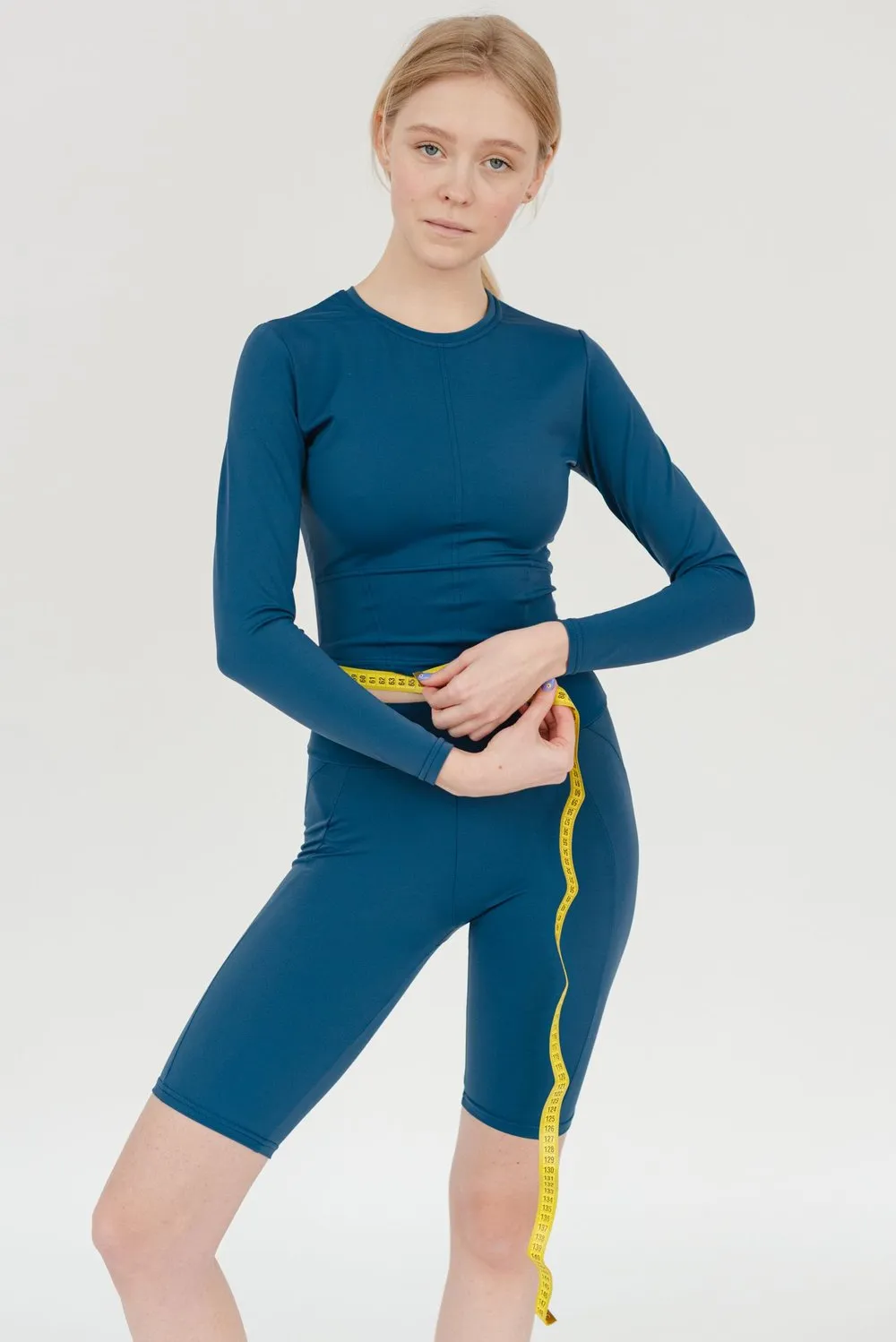
You exercise consistently. You watch what you eat. And yet certain pockets of fat — the love handles, the lower abdomen, the stubborn bulge beneath the chin — simply refuse to budge. If that sounds familiar, you are not alone, and you are not doing anything wrong. Subcutaneous fat in specific anatomical zones is biologically resistant to caloric deficit; it is among the last tissue the body chooses to metabolize. CoolSculpting, the FDA-cleared cryolipolysis system cleared in 2010, was designed precisely for this situation. Since its introduction, more than 8 million CoolSculpting treatments have been performed worldwide, and the procedure consistently earns a 79% patient satisfaction rate in independent clinical surveys. It is not a weight-loss solution — it is a body-contouring tool for people who are already close to their goal but want to refine specific areas without surgery, anesthesia, or downtime.
What Is CoolSculpting? Understanding Cryolipolysis
CoolSculpting works through a process called cryolipolysis — the selective destruction of fat cells using controlled, sustained cold. The science rests on a key physiological fact: fat cells (adipocytes) are significantly more susceptible to cold temperatures than the surrounding skin, nerves, and muscle tissue. At approximately 39°F (4°C), adipocytes begin to undergo apoptosis — a programmed, orderly form of cell death — while the overlying skin remains unharmed.
Once the fat cells crystallize and begin to die, the body's lymphatic system quietly goes to work. Over the following one to three months, macrophages (immune cells) recognize the damaged adipocytes as cellular debris and gradually clear them from the treatment area. This is the same process the body uses to eliminate any other form of cellular waste — no harsh chemicals, no incisions, no foreign substances introduced into the body. The fat cells that are eliminated are gone permanently; adipocytes do not regenerate once destroyed. The result is a measurable, lasting reduction in the fat layer thickness in the treated zone.
The FDA first cleared CoolSculpting in 2010 for the flanks, and subsequent clearances have expanded the treatable areas substantially. The underlying technology was developed by researchers at Harvard Medical School and Massachusetts General Hospital, lending it a robust scientific foundation that distinguishes it from many other aesthetic devices on the market.
Who Is a Good Candidate for CoolSculpting?
The ideal CoolSculpting candidate is a healthy adult who is at or near their target weight — generally within 20 to 30 pounds — and has discrete, pinchable areas of fat that have not responded to diet and exercise. The word "pinchable" matters: the applicators use gentle suction to draw fatty tissue into a cooling cup, which means there needs to be enough soft tissue to be drawn in. Patients who are very lean in an area or who have fat that sits beneath the muscle layer (visceral fat) are not good candidates for that specific site.
It is equally important to understand what CoolSculpting is not. It is not a treatment for obesity, and it is not intended to replace lifestyle changes. Patients hoping to lose a significant amount of weight will be better served by working with a physician on comprehensive metabolic strategies first. CoolSculpting is the finishing tool — it excels at sculpting and defining a silhouette that healthy habits have already largely shaped.
Certain medical conditions may disqualify a patient from treatment or require additional evaluation. Cryoglobulinemia, cold agglutinin disease, and paroxysmal cold hemoglobinuria are absolute contraindications because these conditions cause abnormal reactions to cold temperatures. Patients with Raynaud's phenomenon or who are pregnant should also avoid treatment. A thorough consultation with a board-certified dermatologist — as offered at Dermatology of Seattle's Burien and Bellevue offices — will review your complete health history before any treatment plan is developed.
FDA-Cleared Treatment Areas
One of CoolSculpting's most significant advantages is the breadth of body areas that have received FDA clearance. The list has grown considerably since the original 2010 flank clearance and now includes:
- Abdomen — both upper and lower abdominal rolls, the most commonly treated area overall
- Flanks (love handles) — the original cleared indication; highly effective for both men and women
- Inner and outer thighs — the applicator contours to follow the natural curve of the thigh
- Back fat and bra fat — the rolls that form along the bra line or across the upper and lower back
- Upper arms — addresses the soft tissue along the posterior upper arm
- Submental (double chin) — the CoolMini applicator was specifically engineered for the smaller contours of the neck and chin area
- Banana roll — the crescent of fat that sits just below the gluteal fold, beneath the buttocks
During your consultation, your provider will assess each area, measure the tissue, and recommend a personalized treatment plan that reflects your anatomy and your goals. Not every area requires the same number of sessions, and some patients address multiple zones in a single appointment.
What to Expect During a CoolSculpting Treatment
CoolSculpting sessions are performed in-office with no anesthesia required. When you arrive, your provider will photograph and mark the treatment areas, then apply a protective gel pad to the skin to shield it from direct contact with the cooling panels. The CoolSculpting applicator — a cup-shaped device — is then positioned over the marked zone and activated.
You will feel a firm suction sensation as the tissue is drawn into the applicator, followed almost immediately by intense cold. This combination can be uncomfortable for the first two to three minutes, but the cold itself causes the nerve endings in the skin to numb rapidly. Most patients report feeling little to nothing within ten minutes of the applicator being placed. Many read, work on a laptop, watch video, or simply rest during the session.
Each applicator cycle runs between 35 and 60 minutes depending on the device and the size of the area being treated. Newer DualSculpting protocols allow two applicators to run simultaneously on different areas of the body, cutting total in-office time significantly for patients addressing multiple zones in one visit. When the cycle ends, the provider removes the applicator and briefly massages the treated tissue — clinical studies have shown that a two-minute post-treatment massage increases fat cell elimination by approximately 68%.
Immediately after treatment, the skin in the treated area may appear red, feel firm, and look slightly raised — all normal temporary responses. There is no required recovery period. Most patients return to work and normal activities immediately following their appointment.
Results and Timeline: When Will You See a Difference?
CoolSculpting does not produce overnight results — and understanding the timeline is important for setting realistic expectations. Because the treated fat cells are cleared by the immune system over time, not immediately extracted, results emerge gradually over weeks and months.
The typical timeline unfolds as follows:
- Weeks 1–4: The treated area may feel firm or slightly swollen as the inflammatory process begins. Visible changes are minimal at this stage.
- Weeks 4–8: Many patients notice the first subtle changes — clothes fitting slightly differently, a softer contour emerging. The lymphatic system is actively clearing eliminated fat cells.
- Weeks 8–12: Results become clearly visible. Clinical studies document an average 20–25% reduction in the fat layer of the treated area per treatment cycle.
- Month 3 and beyond: Peak results. The full extent of fat reduction is apparent, and the contour change is measurable via ultrasound and visible to the naked eye.
Because the destroyed fat cells are permanently eliminated — they do not regenerate — the results are considered permanent as long as the patient maintains a stable weight. Significant weight gain after treatment will cause remaining fat cells throughout the body, including in adjacent areas, to enlarge; the treated zone itself, however, will have fewer cells to expand and will respond to weight gain proportionally less than untreated areas.
Is One Session Enough?
For many patients, a single treatment cycle in a given area produces results they find satisfying. A 20–25% fat layer reduction is a meaningful, visible change, particularly in areas like the flanks or submental region where the fat deposits are relatively contained. Photographs taken at the three-month mark routinely confirm a clear difference from baseline.
That said, some patients — particularly those with a thicker or broader fat deposit, or those pursuing a more aggressive contour change — elect to have a second treatment cycle in the same area, typically scheduled two to three months after the first. This allows the body to complete its clearance of the initial treatment before the second cycle begins, and it means that the full result of the first session is visible and can be used to guide the second session's plan.
Your provider at Dermatology of Seattle will give you an honest, individualized assessment during your consultation — including a candid discussion of whether one session or two is likely to get you to your goal, and what realistic results look like for your specific anatomy.
Safety Profile and Side Effects
CoolSculpting has a well-established safety record built over more than 15 years of clinical use and millions of treatment cycles. The most commonly reported side effects are temporary and localized to the treated area:
- Numbness and reduced sensation — extremely common; can persist for several weeks as nerves recover from cold exposure, but resolves completely
- Redness and flushing — typically resolves within a few hours of treatment
- Temporary swelling and firmness — the treated tissue may feel hard and tender for one to three weeks
- Bruising — occurs in some patients due to the suction mechanism; resolves naturally
- Mild aching or sensations of pulling — generally resolve within one to two weeks
The rare but recognized adverse event associated with CoolSculpting is paradoxical adipose hyperplasia (PAH). Rather than reducing, the treated fat in PAH expands and firms into a defined, stick-shaped mass that mirrors the shape of the applicator. The incidence rate in published literature is reported at less than 1% — some studies cite figures as low as 0.02% depending on the patient population and applicator used. PAH is more common in male patients and in abdominal treatments. It is not dangerous or painful, but it is not self-resolving; treatment typically requires liposuction to correct. Patients should be counseled about this possibility before treatment, and reputable dermatology practices discuss it openly as part of informed consent.
Choosing a medically supervised treatment environment significantly reduces procedural risk. When CoolSculpting is performed under board-certified physician oversight, pre-screening catches contraindications that non-medical settings may overlook, and any adverse events are recognized and addressed promptly.
CoolSculpting at Dermatology of Seattle
At Dermatology of Seattle, CoolSculpting treatments are performed under the supervision of board-certified dermatologists at our Burien and Bellevue offices. We believe that body contouring should never be a one-size-fits-all procedure, which is why every patient begins with a thorough in-person consultation — a detailed assessment of your anatomy, your goals, your health history, and your expectations.
Our clinical team will walk you through a realistic treatment plan, including honest guidance on how many sessions are appropriate for your situation, what results are achievable versus what is better addressed through other means, and how CoolSculpting can be combined with complementary treatments in our cosmetic dermatology portfolio for a more comprehensive outcome.
We serve patients throughout the greater Seattle metropolitan area, including those traveling from Renton, Tukwila, Federal Way, Kirkland, Redmond, and Mercer Island. Both our Burien and Bellevue locations offer flexible scheduling, including early morning and weekend availability.
If you have been thinking about CoolSculpting — or if you are simply curious whether you are a good candidate — we encourage you to schedule a consultation with our team. There is no obligation, and you will leave with a clear, personalized picture of what is possible.